
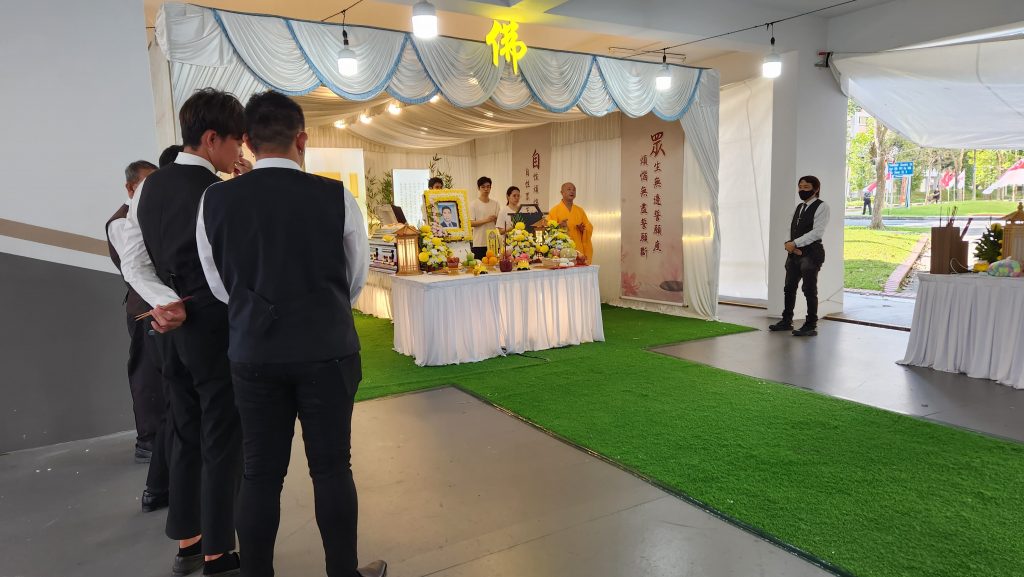
Buddhist funerals in Singapore are rich in tradition and deeply rooted in spiritual beliefs. Whether you’re arranging one for a loved one or simply learning about the customs, understanding the process can bring peace of mind. This guide offers a straightforward overview of Buddhist funeral customs, traditions, and etiquette localised to Singapore’s multicultural context.
What Is A Buddhist Funeral?
A Buddhist funeral is a solemn yet peaceful ceremony that honours the deceased and supports their spiritual journey after death. Rooted in the teachings of the Buddha, these funerals emphasise impermanence, karma, and the cycle of rebirth (saṃsāra). Through chanting, offerings, and merit-making, the goal is to help the departed achieve a favourable rebirth or move closer to Nirvana which is the end of suffering.
In Singapore, most Buddhist funerals follow Chinese Mahayana traditions, though practices may vary slightly depending on the family’s dialect group or lineage.
What Are The Buddhist Funeral Customs & Traditions?
Buddhist funeral customs in Singapore often blend religious rites with Chinese cultural traditions. Elements include:
- Daily chanting by monks to guide the soul
- Offerings of food, incense, flowers, and candles
- Display of the deceased’s photo with garlands
- Paper offerings such as paper money or symbolic items
- Condolence giving (pek kim) by visitors
- A mourning dress code involving white or muted colours
Each tradition serves a purpose: to show respect, generate good karma, and aid the soul’s transition to the next life.
What Is The Typical Buddhist Funeral Service Process?
While customs may differ slightly based on dialect, most Buddhist funerals in Singapore follow this general flow:
What Are The Pre-Funeral Practices In Buddhist Traditions?
In Buddhist belief, it is thought that the soul lingers near the body for a short period after death. To respect this transition, the body is left untouched for about 2 to 3 hours. During this time, family members or monks often recite prayers to guide the spirit peacefully to its next stage.
Once this period passes, the deceased is gently cleansed and dressed, usually in plain or white everyday clothing that reflects Buddhist values of simplicity and modesty. Embalming and makeup will also be applied to the deceased body to prevent decomposition until cremation or burial. Symbolic items such as prayer beads may be placed in the hands of the deceased, and a white cloth is sometimes draped over the face as a sign of purity and respect.
The wake is then arranged, typically held either at HDB void deck or in a funeral parlour.
What Happens During A Buddhist Wake?
In Singapore, Buddhist wakes typically last 3 to 7 days, giving family and friends time to pay their final respects and support the soul’s peaceful transition. These ceremonies are often led by Buddhist monks, who provide spiritual guidance through prayers and chanting.
The wake begins with the resounding strike of a gong or bell, signalling the start of funeral rites. Chanting of Buddhist scriptures led by monks or family members continues throughout the wake to help the soul gain merit and move forward on its journey.
A dedicated altar is set up with a photo of the deceased, candles, flowers, fruits, drinks, and sometimes joss paper. Incense is burned as a symbol of purification and reverence.
Visitors are expected to dress modestly in dark colours, bow before the altar, offer incense, and extend condolences to the family. It is also customary to give a monetary donation (bai jin) to help with funeral expenses.
One meaningful tradition includes presenting a cloth to the monks, a gesture of appreciation for their spiritual support. In some cases, family members carry small wooden sticks while walking around the casket, symbolising shared strength in grief.
On the final day, an open casket viewing is held, offering mourners a quiet moment for personal reflection and farewell.
Cremation Or Burial?
Before moving off from the wake location, the casket is respectfully sealed and carried to the hearse, accompanied by a funeral procession. Family members may carry the deceased’s portrait or funeral banners as they proceed to the crematorium or burial site.
The service concludes with final rites, which often include monk-led chanting, a eulogy, flower offerings, and the symbolic circling of the casket, a final, heartfelt farewell by loved ones.
In line with Buddhist beliefs in impermanence and reincarnation, cremation is the preferred choice, symbolising the soul’s release from the physical body. However, some families may opt for burial based on personal or sectarian traditions.
How Are The Ashes Handled After Cremation?
After cremation, the ashes are collected and placed into an urn. Families in Singapore commonly choose from the following options:
- Columbarium Storage: The urn is placed in a niche at a columbarium. Government-managed options include Mandai and Choa Chu Kang Columbaria.
- Inland Ash Scattering: Ashes are scattered over soil at designated areas like the Garden of Peace, offering a serene and natural return to the earth.
- Sea Burial: A symbolic option for those connected to the sea. Biodegradable urns, such as salt urns, dissolve gently in water, representing a peaceful return to nature.
These practices reflect deep Buddhist values and provide families with meaningful ways to honour their loved ones with compassion and dignity.
Post-Funeral Practices
Buddhist families continue to honour their loved ones after the funeral through memorial services held on the 3rd, 7th, 49th, and 100th day. These services involve prayers and offerings to support the deceased’s spiritual journey.
Many families also practise ongoing ancestor worship at home or in temples, especially during festivals like Qing Ming and the Hungry Ghost Festival, as a way to show lasting respect and remembrance.
Modern Trends in Buddhist Funerals in Singapore
Eco-Friendly Options:
Many Singaporean Buddhists are embracing greener funeral practices, such as:
- Using biodegradable urns
- Choosing sea burials
- Selecting eco-friendly cremation methods
Usage Of Technology:
Technology is transforming funeral services by enabling:
- Live-streaming for relatives overseas
- Digital photo displays replacing physical ones
- Online platforms for condolences and donations
Legal and Practical Considerations for Funerals in Singapore
Death Registration:
A death must be registered within 24 hours in Singapore. Registration can be done at:
- The hospital where the death occurred
- A neighbourhood police post
- The Registry of Births and Deaths
Booking Crematorium Or Burial Plots:
For cremation, families must book a slot at a crematorium. For burial, an application for a burial plot is required. Both processes are managed through the National Environment Agency (NEA) website.
Financial Assistance:
Funerals can be costly, but support is available through:
- Government assistance for low-income families
- Donations from religious organisations
- Funeral insurance plans
- Community support via crowdfunding platforms
How to Work Comfortably with a Funeral Director for a Buddhist Funeral?
Choosing an experienced funeral director makes the process smoother, especially during an emotionally difficult time. Here are helpful tips:
- Look for cultural and religious experience in Buddhist funerals.
- Discuss all package details upfront such as venue, chanting, altar setup, transport, cremation.
- Ask about optional add-ons, such as 49-day prayer services or columbarium arrangements.
- Clarify if monks or nuns will be provided, and from which Buddhist order.
- Ensure the director respects your family’s customs, dialect preferences, and budget.
What Are The Recommended Buddhist Funeral Etiquettes To Follow?
Whether you’re a guest or family member, it’s important to observe these common funeral manners:
- Dress appropriately: Wear white or dark-coloured, modest clothing. Avoid bright colours.
- Offer incense respectfully: If unsure, follow others’ lead.
- Be respectful and silent: Keep conversations low and phones silent.
- Offer condolences quietly and avoid asking insensitive questions.
- Do not bring auspicious items like red envelopes or gifts as they are considered inappropriate.
Final Thoughts
Buddhist funerals in Singapore are serene and deeply spiritual events that focus on respect, remembrance, and guiding the soul onward. With the right knowledge and support from an experienced funeral director, families can conduct a meaningful farewell that honours both tradition and faith.
Need Help?
If you need support planning a Buddhist funeral or have questions about the rites, our team is here to help you every step of the way, with dignity, empathy, and respect for your faith.
Reach out to us today to learn more about how we can assist you in arranging a meaningful Buddhist funeral that honours your loved one with the reverence they deserve.