
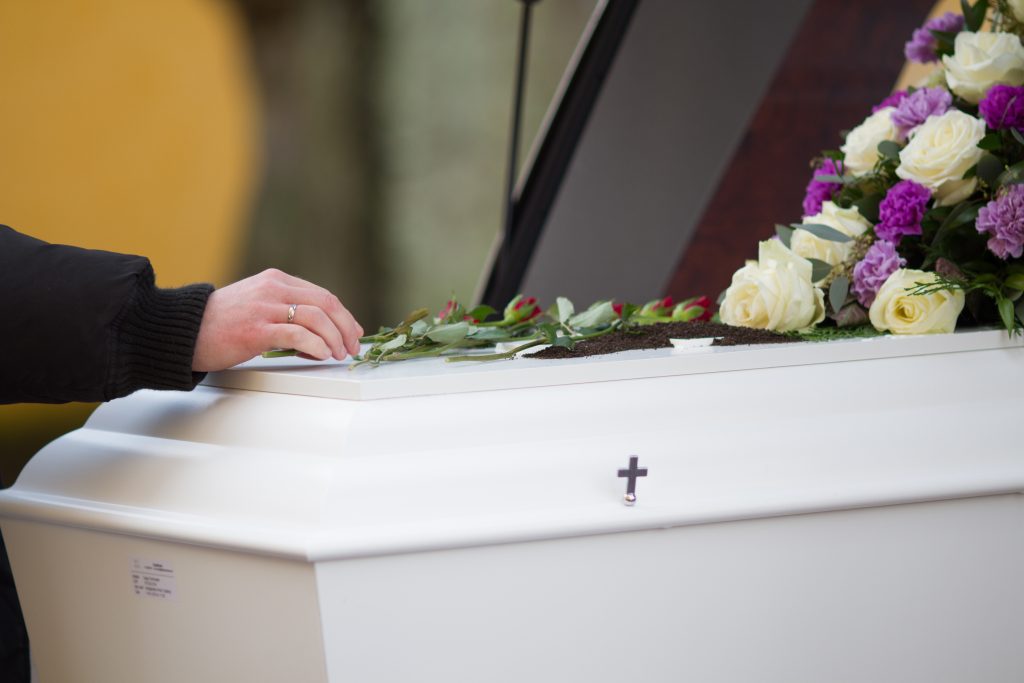
What Is A Roman Catholic Funeral?
A Roman Catholic funeral is a sacred liturgy that commends the deceased to God’s mercy, comforts the grieving, and proclaims Christian hope in the resurrection. Rooted in centuries of tradition, the Church’s funeral rites are more than a farewell, they are acts of prayer, intercession, and faith in Christ’s victory over death.
Whether you’re planning a Catholic funeral or attending one for the first time, this guide explains the theology, structure, symbols, and etiquette that shape the Catholic approach to death and mourning.
What Are The Core Catholic Beliefs About Death, Purgatory & Eternal Life?
Catholic teaching holds that death is a passage, not annihilation. Life changes, but does not end. Here are the key beliefs:
- Resurrection in Christ: Catholics believe that because Jesus rose from the dead, the faithful share in the promise of eternal life.
- Communion of Saints: The living and the dead remain spiritually connected in Christ. We can pray for the dead, and the saints pray for us.
- Purgatory: Some souls undergo purification before entering the fullness of Heaven. Prayers, Masses, and sacrifices offered by the living can aid them.
- Hope & Mercy: The funeral liturgy asks God to forgive the sins of the deceased and welcome them into eternal peace.
These beliefs explain why Catholic funerals strongly emphasise prayer for the soul, rather than only celebration of life.
What Are The Three Traditional Parts Of A Catholic Funeral?
While customs vary, the Catholic Church envisions funeral rites in three main moments. Families may celebrate all three or an adapted form, depending on circumstances and parish guidelines.
1. The Vigil For The Deceased (Also Known As The Wake)
The Vigil is typically the first public gathering held after a person has passed on. It is a time for family, friends, and the parish community to come together in prayer, remembrance, and support.
Where It’s Held?
The Vigil may take place at a funeral home, a church parish hall, or even the family’s residence. In Singapore, it’s also common to host it at HDB void decks or parlours with Catholic-friendly services.
What Happens During The Vigil?
The service often includes scripture readings, the recitation of the Rosary, or a Liturgy of the Word led by a lay minister or priest. Loved ones may also share eulogies or personal reflections about the deceased, though traditionally, Catholic services emphasise communal prayer over personal speeches.
What Is The Purpose of the Vigil?
This rite offers a quiet, reflective time for mourners to pray for the soul of the deceased, remembering the promises of eternal life. It also provides emotional support to grieving family members through communal presence and condolences.
2. The Funeral Mass (Mass of Christian Burial / Requiem Mass)
This is the central and most sacred part of the Catholic funeral rites. The Funeral Mass is a solemn occasion held in a Catholic church, where the deceased is brought before the altar for one final celebration of life and faith.
Celebrated By A Priest
The Funeral Mass is presided over by a priest, who leads the congregation in offering prayers and the Holy Eucharist on behalf of the deceased.
Structure Of The Funeral Mass
The Mass consists of:
- Introductory Rites
- Liturgy of the Word (readings from the Bible and a homily)
- Liturgy of the Eucharist (Holy Communion)
- Final Commendation and Farewell
Symbolism And Sacred Elements
Several Catholic symbols are used during the Mass:
- Holy Water: Sprinkled on the coffin, recalling Baptism and the washing away of sin.
- Sacred Music/Hymns: Prayer in song; trust, hope, and surrender to God’s will
- Paschal Candle: Light of the Risen Christ; baptismal promise of eternal life
- Scripture Readings: God’s promise of salvation and comfort
- Incense: Symbolises prayers rising to heaven and honours the sacredness of the body.
- Funeral Pall: A white cloth draped over the coffin, reminding mourners of the deceased’s Baptism and rebirth in Christs.
- Crucifix: Christ’s sacrifice, victory over death
The Mass unites the sorrow of the grieving community with the Paschal Mystery, Christ’s death and resurrection. Through this, the Church prays for the forgiveness of the deceased’s sins and their eventual entrance into eternal life.
3. The Rite of Committal (Burial or Interment)
The Rite of Committal is the final liturgical act in the Catholic funeral journey. It takes place at the final resting place, typically a cemetery or columbarium (for cremated remains).
What Are The Settings And Structures?
Usually a brief but powerful ceremony, it consists of prayers, blessings, and the act of committing the body (or ashes) to the earth or a final resting niche.
Liturgical Phrases
The priest or deacon prays words of commendation such as:
- “In the sure and certain hope of the resurrection to eternal life through our Lord Jesus Christ…”
These words echo the deep faith Catholics hold in the resurrection of the body.
Final Goodbye
The community bids farewell one last time. Loved ones may place flowers or earth into the grave as a gesture of closure and love.
What If Cremation Is Chosen?
While the Catholic Church prefers full-body burial, cremation is permitted, provided that the ashes are respectfully interred in a sacred place (not scattered or kept at home).
Is Burial Or Cremation Preferred?
Historically, the Church strongly preferred burial, reflecting belief in bodily resurrection. Cremation is now permitted provided it is not chosen to deny the Christian faith in the resurrection of the body. When cremation is used:
- Cremated remains should be buried or interred in a sacred place (cemetery, columbarium).
- Scattering ashes, dividing them among family, or keeping them at home is discouraged.
- If possible, the Church prefers cremation after the Funeral Mass (with the body present), but parishes commonly accommodate cremated remains when circumstances require.
Always check with your parish priest, local diocesan norms may offer further guidance.
Post-Funeral Reception & Gathering
After a Catholic funeral in Singapore, it is customary to hold a reception or meal, often at a family home, community hall, or meaningful venue.
This gathering allows mourners to:
Offer condolences and emotional support
Share stories and memories of the deceased
Strengthen community bonds in a time of grief
It’s an important part of the healing process, turning sorrow into shared remembrance, and reinforcing that mourning is a collective journey.
What Is The Role Of Priests in Funeral Mass and Last Rites?
In Roman Catholic funerals in Singapore, priests play a vital spiritual and ceremonial role. They conduct the Funeral Mass, a central rite where the community prays for the soul of the deceased, reflects on Scripture, and partakes in the Eucharist. The Mass is both a time of mourning and a hopeful affirmation of eternal life.
Priests also administer the Last Rites, a set of sacraments given before death, including Confession, Holy Communion, and Anointing to offer peace, forgiveness, and spiritual strength. If this cannot be done before passing, prayers of commendation are offered during the funeral.
Beyond the rituals, priests provide pastoral care, helping families with funeral planning and emotional support, reinforcing the Church’s compassion during times of loss.
How Should You Plan A Roman Catholic Funeral: Step-by-Step Overview?
- Contact the Parish First. The parish office or priest will guide date selection, liturgical requirements, and sacramental records.
- Engage a Funeral Director Familiar with Catholic Rites. Coordination between church, funeral home, cemetery, and family is essential.
- Select Scripture Readings & Music. The Church provides approved readings; family members may participate as lectors.
- Prepare the Universal Prayer (Prayers of the Faithful). Intentions can include the deceased, grieving family, the Church, and those who suffer.
- Discuss Eulogies. Many dioceses ask that personal tributes be brief or take place at the Vigil rather than during Mass; confirm with the priest.
- Plan the Committal. Arrange burial plot/cremation; confirm rites and logistics.
What Are The Catholic Funeral Etiquette for Attendees?
If you’re attending a Roman Catholic funeral, especially if you’re from another faith, these simple guidelines help you show respect:
- Dress modestly and in subdued colours. Dark, neutral, or respectful attire is appropriate.
- Arrive early. Give time for quiet prayer before the liturgy begins.
- Follow the congregation’s posture. Catholics sit, stand, and kneel at different moments; when unsure, follow those around you.
- Receiving Holy Communion: Only practising Catholics in a state of grace should receive the Eucharist. Non-Catholics may remain seated or come forward with arms crossed for a blessing (if the parish custom allows).
- Offer Condolences Gently. A brief expression such as “My prayers are with you” is appreciated.
- Silence Phones & Devices. The liturgy is sacred, limit photography unless the family and parish expressly approve.
Conclusion
A Roman Catholic funeral is far more than a farewell, it’s a sacred passage marked by hope, prayer, and deep reverence for the mystery of eternal life. From the Vigil and Funeral Mass to the Rite of Committal, each moment reflects the Church’s care for both the deceased and the bereaved, grounded in centuries of tradition and profound theological meaning.
Whether you’re preparing for a loved one’s funeral or learning about Catholic customs for the first time, understanding these rites helps you participate with respect, compassion, and clarity. In Singapore’s multicultural landscape, Catholic funerals remain a spiritual anchor for many, offering comfort through community, faith, and the promise of resurrection.
Need Help?
If you need support planning a Catholic funeral or have questions about the rites, cremation guidelines, or church coordination, our team is here to help you every step of the way, with dignity, empathy, and respect for your faith traditions.
Reach out to us today to learn more about how we can assist you in arranging a meaningful Roman Catholic funeral that honours your loved one with the reverence they deserve.
What are the documents required for a smooth roman catholic funeral in Singapore?
To arrange a Roman Catholic funeral in Singapore, it is important to prepare several essential documents to ensure a smooth coordination with the parish and authorities:
1. Baptism Certificate or Baptismal Extract
The Catholic Church requires proof of baptism to conduct a full Catholic funeral, including the Funeral Mass.
If you have the original baptism certificate, you may submit it directly.
If the original is not available, you can request a baptismal extract from the parish where the deceased was baptised. This can usually be obtained by providing the deceased’s full name and date of birth. Some parishes may require additional details such as parents’ names or approximate baptism date.
2. Death Certificate
A valid death certificate is necessary for both funeral arrangements and burial/cremation services.
In Singapore, the digital death certificate can be downloaded via the My Legacy portal, a government platform that facilitates end-of-life matters.
To download the certificate, you will need:
The deceased’s NRIC, FIN, or passport number
The death document number (provided by the doctor or hospital)
The date of death
- Deceased’s NRIC, FIN, or passport number
- Death document number (from the hospital or doctor who certifies death)
- Date of death